Seasonal Adventures: Running a Spooky Halloween One-Shot in the UK
By the end of October, Britain does half the work for you. It is dark by half five, the pavements are slick with leaves, and somewhere down the road a firework goes off three weeks early. Halloween falls in half-term, the pubs are warm, and everyone secretly wants an excuse to sit in a dim room telling stories. That is the ideal conditions for a one-shot: a single session, a beginning and an end, no campaign admin, no one owing anyone a backstory.
The trick is to build something that feels British rather than imported. Forget the plastic skeletons and the Americanised haunted house. We have our own peculiar horrors, and most of them are cheaper to run than a bag of novelty cobwebs.
Our Folklore Is Already Frightening
British and Irish folklore is full of things that live at the edge of a village and resent being noticed. Most of it needs no explanation, which is exactly what you want in a four-hour session. A few favourites, with a note on how to use each one:
- Black Shuck or the Barghest — a great black dog on a lonely lane. Best used as a warning, not a monster. It appears, it looks at the party, it leaves.
- The Lantern Man or will-o'-the-wisp — a light over marsh or fen that leads travellers off the path. Brilliant for a chase where the danger is the ground, not the enemy.
- Jenny Greenteeth — the weed-choked water that takes the careless. Ideal for a canal, a pond or a flooded quarry.
- Boggarts and hobs — household spirits who sour when they are slighted. Perfect for a domestic haunting with a mundane cause.
- The Cŵn Annwn or the Wild Hunt — hounds heard but not seen, moving across the sky. Save this for the final scene.
- Spring-Heeled Jack — a Victorian urban legend with a knack for leaping over walls. Good for a city game, and pleasingly unkillable.
You can also borrow the calendar itself. Souling, guising, turnip lanterns, the old habit of leaving a place at the table for the dead — these are local customs with real texture, and they cost nothing to describe.
Pick One Scare and Commit
The most common mistake is a monster mash: a ghost, a witch and a werewolf in the same barn. A one-shot has room for one idea, developed properly. Choose a single fear and let everything in the session point at it.
Try a Fenland village where the lantern light has started appearing on the drove road again. Or a Yorkshire coaching inn snowed in on the last night of October, with something pacing the yard. Or a suburban retail park built on the site of a drowned hamlet, where the car park floods in the same place every year. Each of these gives you a location, a handful of locals and a mystery that can be solved in an evening.
Structuring a Session That Actually Ends
A one-shot lives or dies on pacing. Budget your time honestly, and be willing to cut a scene rather than rush the ending.
- The hook (first 20 minutes). Start in motion. The party is already at the wake, already on the last train, already holding the key. Give them one clear task and one obvious place to go.
- Three clues, one cost (the middle hour). Plant three ways to learn the truth — a person, a place and a document — so a missed roll never stalls the game. Each clue should demand something: a favour, a lie, an hour of darkness, a drop of blood.
- The turn (20 minutes). The thing they thought was the problem turns out to be the symptom. The landlord is not the villain; the well is.
- The decision (the last 40 minutes). End on a choice rather than a slugfest. Do they break the bargain, take the bargain, or walk away and let the village deal with it?
- The coda (5 minutes). Describe what happens next October. Ten lines, everyone goes home.
Keep the Clock Visible
Say out loud, "You have until the church clock strikes nine," and mean it. If your group enjoys tactical combat, keep the fights short and the stakes strange — two rounds against something that cannot be hurt is far more memorable than twenty against something that can.
Atmosphere on a Small Budget
You do not need props to run a good session, but a few cheap ones do a lot of work. Tea lights in jam jars kill the overhead light and make every map look like a map of somewhere real. A sealed envelope with a wax stamp, handed across the table, is worth more than any amount of description. Red thread, a bowl of salt, a horseshoe nail, a bell that gets rung once — all of these signal genre without you saying a word.
For sound, rain on a window is free. So is a recording of a shipping forecast playing quietly in the next room, or church bells, or the hum of a dehumidifier. Scent matters more than people expect: woodsmoke, damp leaves, a stew in the slow cooker.
If you use candles or an open flame, keep them away from paper, sleeves and anything that has been drinking. Dry ice is lovely in a bowl of water but needs ventilation and gloves, and it should never go in a drink. Check your smoke alarm is working before the session, not after.
Make It Local, Not Laminated
Specifics beat scenery. Name the bus route, the pub, the bypass, the leisure centre. Use an Ordnance Survey map as your battle mat and let the footpaths be real. Let the weather be bad in an ordinary British way: drizzle, not thunder.
Small details sell the horror: the parish boundary stone, the flooded underpass, the caravan park closed for the season, the dog that will not stop barking. Then, when something impossible happens, it lands because everything around it was mundane.
Look After Your Table
Horror games are only fun when everybody has opted in. Before you start, tell the group what the session contains — spiders, drowning, harm to children, whatever it is — and ask if anyone wants it kept off-screen. Agree a simple signal, such as tapping the table, that pauses a scene with no questions asked, and use it yourself if you need to.
Check in at the midpoint. Keep physical contact with players out of the game entirely unless everyone has agreed otherwise. Finish with the lights back on and something warm to eat: parkin, toffee apples, tea, whatever the season suggests. A debrief over food is where the stories get told again, and that is the part people remember.
The Night Before: A Practical Checklist
Read your notes once, out loud, and time them. Print or hand-write the three clues so they can be physically passed around. Fill the jars, charge the speaker, chill the drinks, cut the fruit. Know your first sentence and your final image. Have an escape hatch if the group charges off in the wrong direction — usually a nosy neighbour, a locked gate or the pub landlord who knows more than he lets on.
Then turn the big light off and begin. The dark does the rest.
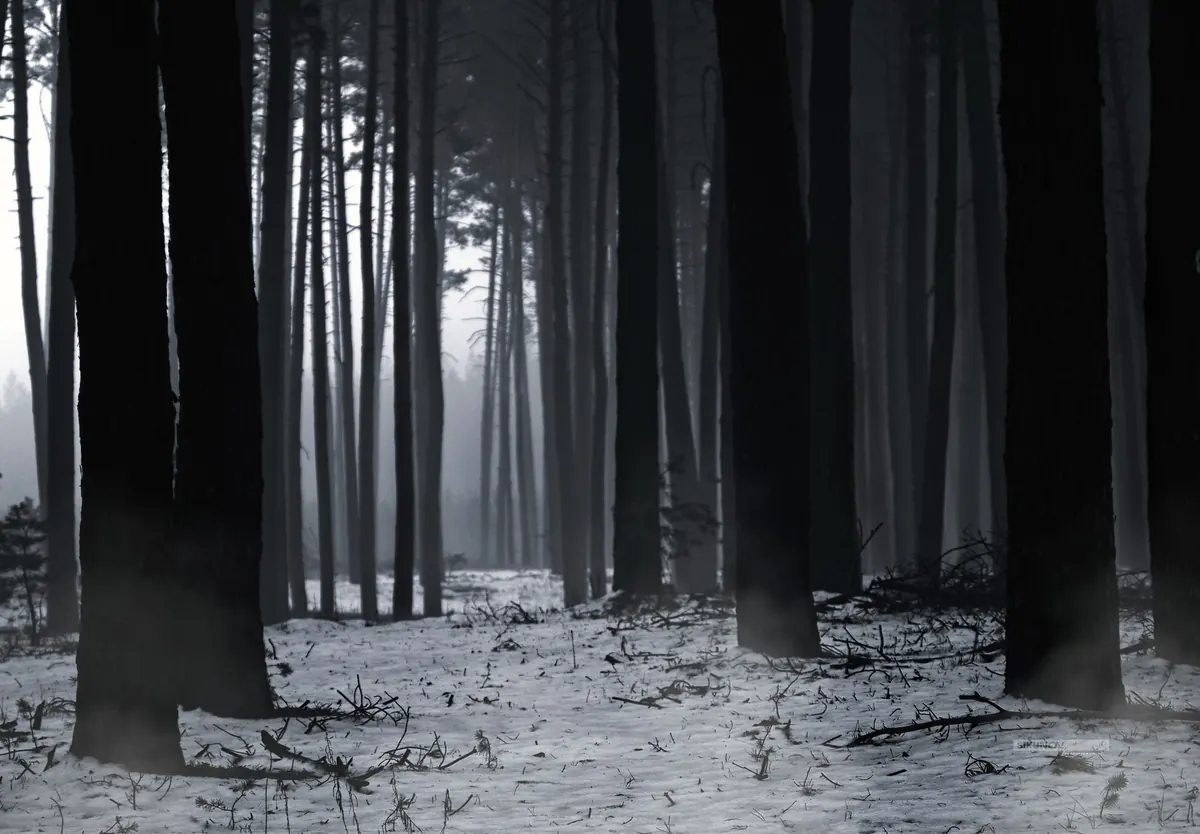
Photo: Ruslan Sikunov / Pexels