Quests vs. Sandbox Campaigns: Which Style Suits Your Group?
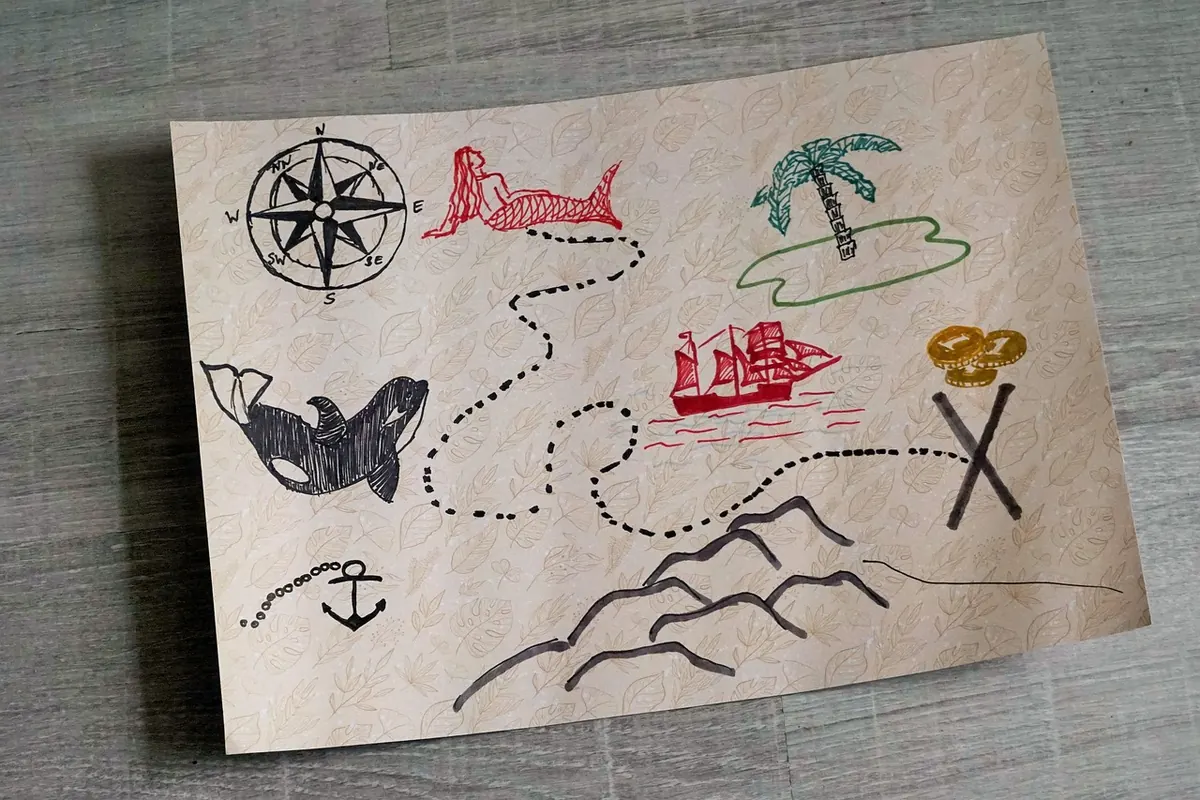
Every campaign needs a shape. You can hand your players a map, a rumour and a tavern, then see where they wander. Or you can open with a burning village and a name on a wanted poster and let the story pull them along. Both work, and both fail in predictable ways. The useful question is which one fits the people at your table — and how much preparation you honestly have time for.
Two Ways to Frame a Campaign
A quest-driven campaign is built from linked objectives. The players are hired, conscripted or dragged into a chain of tasks: find the missing smith, follow the trail to the coast, confront whoever is paying the smugglers. There is a plot, and the group's job is to move through it. Published adventure paths sit at this end of the scale, and so does a homebrew game where you already know roughly what happens in sessions three to six.
A sandbox campaign starts with a place and its pressures. You build a region — a city, a valley, a handful of islands — fill it with factions that want incompatible things, and drop the players in. Their goals come first; yours react.
Few tables run a pure version of either. A campaign that opens with a rescue mission can be a full sandbox by the time the party owns a ship and three enemies.
What Quest-Driven Play Does Well
The appeal is momentum. Everyone knows why the party is together and what they are chasing, so fewer sessions open with twenty minutes of "so, what do we do?" Structure does a lot of quiet work:
- A gentle on-ramp. New or shy players can act without inventing their own goals, because someone has already framed the problem.
- Predictable prep. If you know the group is heading for the mine, you can prepare the mine — useful when you have three hours on a Tuesday and work in the morning.
- Payoff. A long arc needs an ending. Quest structure supplies one, with a villain built up over months rather than a stranger who appears in the final session.
- Visible progress. Ticking off objectives gives a sense of motion even when a session goes sideways.
The cost is agency. If every road leads back to your prepared scene, players notice, and the room starts to feel like an audience rather than a party. Quests also break badly when the group refuses the hook; you either force them along or improvise.
Where Sandbox Play Wins
Sandbox play hands the story to the group, and that ownership shows up quickly. Players keep a shared map, argue about which faction to trust, and remember names you invented off the cuff. When the party decides the duke's summons can wait because somebody poisoned the well, and you let that decision stick, the world feels as though it exists whether they attend to it or not.
Factions that advance their plans while the players are elsewhere do the same work: a rival who gains ground during a side trip makes the setting feel alive and makes the eventual confrontation matter more. Prep is different rather than lighter — you build situations and motivations, not scenes and scripts.
A useful test after any session: do your players talk about what they want to do next without being asked? In a sandbox, that chatter is the engine. If it never arrives, the openness is probably working against you.
The Honest Downsides
Neither style is a safe default, and the usual failure modes are worth naming before you commit.
- Railroaded quests. When the plot survives every player decision intact, choices stop meaning anything.
- Passenger characters. Players end up watching your story rather than starring in theirs.
- Sandbox paralysis. "You can go anywhere" is not a hook, and groups often stall in the first two sessions.
- Wasted prep. A broad setting means building three towns nobody visits.
- Drift. Without a shared goal, a sandbox wanders until nobody remembers what they were doing.
- Loud voices. In an open campaign, the fastest talker sets the direction. A quest gives quieter players a reason to speak up.
Matching the Style to Your Group
Session zero is the place to sort this out. Ask what the players want, then watch how they behave rather than what they say:
- Do they make plans unprompted, or wait to be told what to do?
- Do they remember NPC names and grudges, or treat every innkeeper as scenery?
- How long is your session? Two hours on a weeknight suits tight quests; six hours at the weekend has room for wandering.
- How much prep time do you genuinely have each week?
- Does anyone at the table dislike being put on the spot?
If three or more players arrive with their own ideas and argue about them happily, a sandbox will reward you. If most of the table looks to you when a scene goes quiet, quest structure will feel generous rather than restrictive.
Hybrid Campaigns That Work
Most good campaigns sit in the middle, and you can build that deliberately rather than by accident.
- Write situations, not plots. Give each faction a goal and a rough timeline; the players' interference becomes the story.
- Open linear, loosen later. Run four sessions of clear quests to establish the world and the party, then widen the map.
- Give every character a personal goal, and let the group choose which thread to pull.
- Ration the rumours. Offer three leads at a time, not twelve. Choice feels real when it is bounded.
- Close each session with a question. "What is the plan for next week?" turns between-session thinking into prep you can trust.
Quest chains can nest inside a sandbox, too. The party wanders freely, but each location holds a short, self-contained problem with a clear objective. You get the energy of a quest without the corridor.
Try It for Six Weeks, Not Forever
You do not have to choose a style for a whole campaign. Commit to a short arc — four to six sessions with a clear goal — and treat it as a test. At the end, ask two questions. Did anyone talk about the game between sessions? Did anyone feel pushed? Those answers beat any theory.
If the table liked having direction, loosen the reins: leave one thread unresolved and see who picks it up. If you run an online group with a rotating cast, lean towards quests, because a clear goal survives absences. If it is the same four people every week for two years, a sandbox gives them room to grow into.
The right style is the one that keeps your players turning up, talking on the way home, and already thinking about next week.
Photo: NinaSagemerten / Pixabay